
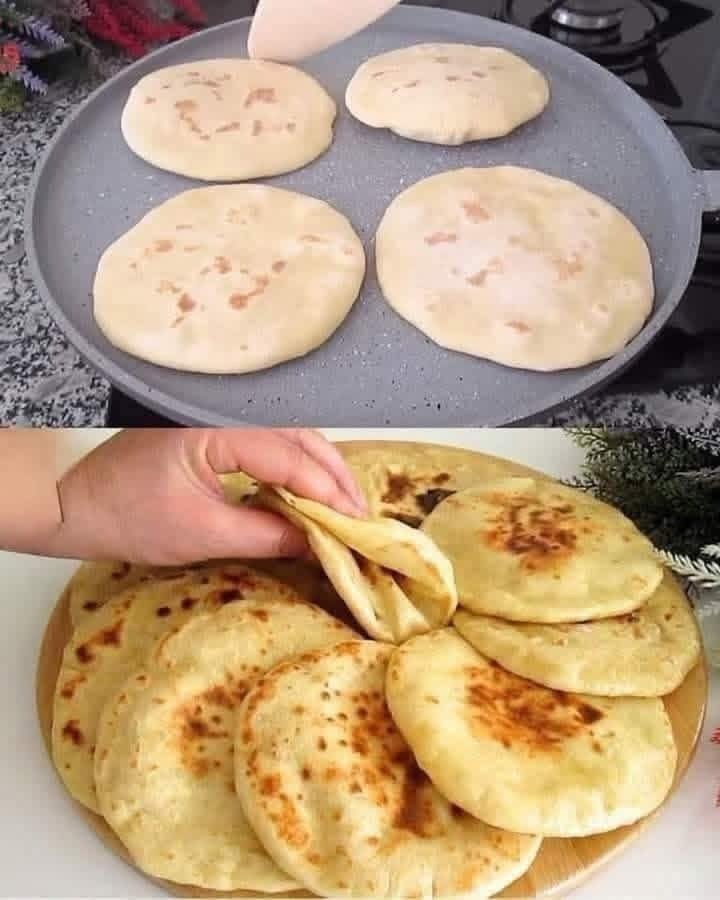

This zero-carb sourdough flatbread is a simple bread alternative for anyone following a low-carb or keto lifestyle. It has a soft, flexible texture and works well as a wrap, sandwich bread, or side for soups and grilled foods. The recipe uses sourdough starter for flavor along with low-carb ingredients instead of regular wheat flour.
Important: Traditional sourdough starter contains carbohydrates because it is made with flour. This recipe is designed to be very low in carbohydrates, but it is not strictly zero-carb. Exact nutrition depends on the ingredients and brands you use.
Recipe Details
- Prep Time: 10 minutes
- Resting Time: 20–30 minutes
- Cook Time: 12–15 minutes
- Total Time: About 45–55 minutes
- Servings: 4 flatbreads
- Course: Bread, Side Dish
- Cuisine: Keto-Inspired
- Diet: Low-Carb, Gluten-Free if certified ingredients are used
Ingredients
- 1 cup (100 g) fine almond flour
- 2 tablespoons (14 g) unflavored psyllium husk powder
- 1 teaspoon baking powder
- ½ teaspoon salt
- 2 large eggs
- 2 tablespoons olive oil
- ¼ cup (60 ml) warm water, plus more if needed
- 1 tablespoon sourdough discard, optional
- ½ teaspoon apple cider vinegar, optional
For cooking:
– 1–2 teaspoons olive oil or avocado oil
Instructions
Step 1: Mix the Dry Ingredients
Add the almond flour, psyllium husk powder, baking powder, and salt to a medium mixing bowl. Whisk everything together until evenly combined. Breaking up any lumps now will help give the flatbreads a smoother texture.
Step 2: Add the Wet Ingredients
In a separate bowl, whisk the eggs with the olive oil, warm water, and apple cider vinegar. If you want a mild sourdough flavor, add the optional sourdough discard.
Pour the wet mixture into the dry ingredients. Stir with a spoon or spatula until a thick dough forms.
Step 3: Let the Dough Rest
Leave the dough to rest for 20–30 minutes. Psyllium husk absorbs moisture as it sits, helping the dough become easier to handle and shape.
If the dough feels too dry or cracks when pressed, add warm water one teaspoon at a time. If it feels too sticky, let it rest for another five minutes before adding anything else.
Step 4: Divide the Dough
Place the dough on a clean surface and divide it into four equal portions.
Roll each portion into a ball. Place one ball between two sheets of parchment paper and gently roll it into a thin circle, approximately 6–7 inches wide.
Keep the thickness as even as possible so the flatbreads cook uniformly.
Step 5: Heat the Pan
Heat a nonstick skillet or cast-iron pan over medium-low heat. Lightly grease the surface with olive oil or avocado oil.
Allow the pan to heat for a couple of minutes. Avoid using very high heat, as almond flour can brown before the center has cooked through.
Step 6: Cook the Flatbreads
Carefully transfer one flatbread to the hot pan. Cook for approximately 2–3 minutes on the first side, until the bottom develops light golden spots and the bread begins to set.
Flip gently and cook the other side for another 2–3 minutes.
Repeat with the remaining portions, adding a small amount of oil if the pan becomes dry.
Step 7: Keep the Bread Soft
Transfer each cooked flatbread to a plate and cover it with a clean kitchen towel while you cook the remaining pieces. The trapped warmth helps keep the bread soft and flexible.
Let the flatbreads cool slightly before serving.
Tips for the Best Zero-Carb Sourdough Flatbread
- Use fine almond flour: Finely ground almond flour creates a more even texture than coarse almond meal.
- Measure psyllium carefully: Too much can make the flatbreads dense or gummy.
- Allow enough resting time: The dough needs time to absorb moisture before rolling.
- Roll between parchment paper: This makes the dough easier to handle and prevents sticking.
- Cook over medium-low heat: Gentle heat helps the centers cook without burning the outside.
- Avoid adding too much water: Add it gradually until the dough is soft but easy to shape.
- For a stronger sour flavor: A small amount of sourdough discard can add flavor, but it also adds carbohydrates and means the recipe is not strictly zero-carb.
How to Serve Sourdough Flatbread
These flatbreads are easy to use in everyday meals. Try them with:
- Grilled chicken, lettuce, and a low-carb garlic sauce.
- Scrambled eggs, cheese, and avocado.
- Sliced turkey, lettuce, and mayonnaise for a quick wrap.
- Cream cheese and smoked salmon.
- Grilled vegetables and a yogurt-based dip.
- Butter, herbs, and a little sea salt as a simple side bread.
You can also cut them into wedges and serve them with soup or a low-carb dip.
Storage Instructions
Refrigerator: Allow the flatbreads to cool completely, then store them in an airtight container with parchment paper between the pieces. Refrigerate for up to 4 days.
Freezer: Place parchment paper between each flatbread and store them in a freezer-safe bag or container for up to 2 months for best quality.
Reheating: Warm in a dry skillet over low heat for 30–60 seconds per side. If frozen, thaw in the refrigerator first or reheat gently until warmed through.
Avoid overheating, as the flatbreads may become dry or brittle.
Troubleshooting
Why is my flatbread cracking?
The dough may need more moisture or additional resting time. Add warm water a teaspoon at a time and allow the dough to rest before rolling again.
Why is the center gummy?
The flatbread may be too thick or undercooked. Roll it thinner and cook it over medium-low heat for a little longer on each side.
Why does my bread break when folded?
Let the cooked flatbreads rest under a towel for a few minutes. You can also try rolling them slightly thinner and adding a little more water to the dough.
Can I make this recipe without eggs?
Eggs help bind the dough. An egg-free version would need a different binder and adjusted liquid amounts, so simply leaving them out may result in flatbreads that fall apart.
Nutrition Facts
Estimated values per flatbread, assuming four servings and including the optional tablespoon of sourdough discard. Actual values vary by ingredient brand and portion size.
| Nutrient | Per Flatbread |
|---|---|
| Calories | 180–210 |
| Protein | 7–9 g |
| Total Fat | 15–18 g |
| Total Carbohydrates | 6–9 g |
| Fiber | 3–5 g |
| Net Carbohydrates | 2–5 g |
These are estimates, not laboratory-tested values. This recipe is low-carb rather than zero-carb, mainly because almond flour contains carbohydrates. For a truly near-zero-carb version, the ingredients would need to be reformulated using suitable low- or zero-carbohydrate ingredients, and the nutrition label would need to be checked carefully.
Frequently Asked Questions
Is sourdough flatbread keto-friendly?
This almond-flour version may fit into a keto diet when the carbohydrates are counted as part of your daily intake. Check your portion size and the nutrition information for your specific ingredients.
Can I use active sourdough starter instead of discard?
You can use a small amount, but a traditional flour-based starter adds carbohydrates and moisture. You may need to adjust the water slightly to keep the dough easy to shape.
Does this flatbread taste like traditional sourdough bread?
It has a mild, nutty flavor from the almond flour. A small amount of sourdough discard adds a slight tang, but the texture differs from wheat-based sourdough because the dough does not contain gluten.
Can I bake these flatbreads instead of frying them?
Yes. Place the rolled flatbreads on a parchment-lined baking tray and bake at 375°F (190°C) for approximately 8–12 minutes, flipping halfway through if needed. Watch them closely to prevent excessive drying.
Can I make the dough ahead of time?
For the best texture, cook the flatbreads soon after mixing and resting the dough. If preparing ahead, refrigerate the dough in a covered container and allow it to soften slightly before shaping.
Final Thoughts
Zero-carb sourdough-style flatbread is a useful option when you want a bread alternative without traditional wheat flour. This almond-flour recipe makes four soft, versatile flatbreads that can be served as wraps, sandwich bread, or a side dish.
For the best results, allow the dough to rest, roll it evenly, and cook it gently. Although this version is not completely carb-free, it can be a practical low-carb choice for everyday meals.